
Multi‑Directional IC Forklifts (4‑Directional)
Specifications
| Manufacturer | Premier |
| Condition | Refurbished |
| Part ID | 5951743 |
| Store Code | PLE1 |
| Classification | Subcategory - Not an Equipment Listing |
| Capacity Range | 3,000–17,500 lb |
| Load Center | 24" |
| Mast Specifications | 157"–189" |
| Category Overview | This page represents our Multi‑Directional Internal Combustion Forklift category. Use it to compare long‑load handling capabilities, understand multi‑directional steering, and match mast height, tire type, and power options to lumber, steel, pipe, and oversized material workflows. For additional details, see the Frequently Asked Questions (FAQ) tab. |
| Frequently Asked Questions (FAQ) | What is a multi‑directional IC forklift? A long‑load internal‑combustion forklift that can travel forward, reverse, and sideways, allowing efficient handling of lumber, steel, pipe, and oversized materials. Where are multi‑directional forklifts used? Lumber yards, steel and metals facilities, fabrication shops, building‑supply operations, and industrial warehouses requiring long‑load movement. Why choose a 4‑directional forklift? Sideways travel allows operators to move long materials through narrow aisles and tight spaces without excessive turning or load instability. Can these forklifts operate outdoors? Yes. IC powertrains and pneumatic or solid‑pneumatic tires support mixed indoor/outdoor environments and uneven yard surfaces. What capacities are available? Multi‑directional IC forklifts typically range from 3,000–17,500 lb depending on model and configuration. Are these units CSA‑certified? Yes. All multi‑directional IC forklifts supplied by Premier Lift Equipment can be delivered CSA B335 compliant with full documentation for MOL audits. What industries rely on multi‑directional forklifts? Lumber, steel, fabrication, manufacturing, building supply, and any operation requiring safe long‑load handling. Do you offer service and parts support? Yes. Premier Lift Equipment provides full service, repairs, inspections, and parts support for all major multi‑directional forklift brands. |
| Mast Types | 2‑Stage • 3‑Stage • 4‑Stage (Quad) |
| Fork Lengths | 42" • 48" • 60" |
| Tire Types | Cushion • Pneumatic • Non‑Marking |
| Fuel Types | Propane (LPG) • Diesel • Gasoline • Natural Gas • Dual Fuel |
| SUBCATEGORY INDEX | Multi‑Directional IC Forklifts include: |
| Standard Multi‑Directional IC Forklifts (3,000–6,000 lb) | For lumber, pipe, and long‑load warehouse operations. |
| Mid‑Capacity Multi‑Directional IC Forklifts (6,000–12,000 lb) | Fabrication, building supply, and industrial long‑load handling. |
| High‑Capacity Multi‑Directional IC Forklifts (12,000–17,500 lb) | Steel, heavy manufacturing, and oversized material movement. |
| Quad‑Mast Long‑Load Forklifts | High‑lift, narrow‑aisle, multi‑directional performance. |
| SAFETY STANDARDS & COMPLIANCE | All multi‑directional IC forklifts in this category support CSA‑aligned safety and operational standards. Documentation and configuration options support: • CSA B335 industrial truck requirements • MOL visibility and pedestrian‑awareness protocols • Long‑load stability and load‑handling guidelines • Indoor/outdoor IC compliance • Operator‑protection and ergonomic controls • Hydraulic safety and attachment integration Available compliance accessories include: • Blue lights • Red‑zone lights • Audible alarms • Bilingual safety signage • Long‑load visibility enhancements |
| COMPATIBILITY & USE CASES | Compatible Environments • Lumber yards • Steel fabrication • Manufacturing • Building supply • Industrial warehouses • Mixed indoor/outdoor facilities Common Use Cases • Long‑load handling (lumber, steel, pipe, panels) • Narrow‑aisle storage • Sideways travel in tight spaces • Manufacturing line support • Fabrication and industrial workflows • Outdoor/indoor hybrid operations |
| FLEET DEPLOYMENT & INTEGRATION | Multi‑directional IC forklifts can be deployed across single facilities or multi‑site operations with standardized configurations. Programs include: • Long‑load fleet planning • Attachment integration and hydraulic setup • CSA documentation and inspection support • Narrow‑aisle optimization • Export‑ready fleet preparation These solutions support consistent performance across long‑load and high‑density storage environments. |
| WHY THIS CATEGORY MATTERS | WHY THIS CATEGORY MATTERS |
| WHO THIS CATEGORY IS FOR | This category serves operations requiring long‑load, multi‑directional handling, including: • Lumber yards • Steel and metals • Fabrication shops • Building‑supply operations • Industrial manufacturing • High‑density storage facilities |
| RELATED CATEGORIES | • Multi‑Directional Electric Forklifts • Swing Mast Forklifts • Pneumatic Tire IC Forklifts • High‑Capacity Cushion Tire Forklifts • Warehouse Safety Equipment |
Description
High-Capacity 2026 Propane & Diesel Forklifts | Fully Inspected & Job-Ready | CSA/MOL Certified | USMCA Export Documents Included.
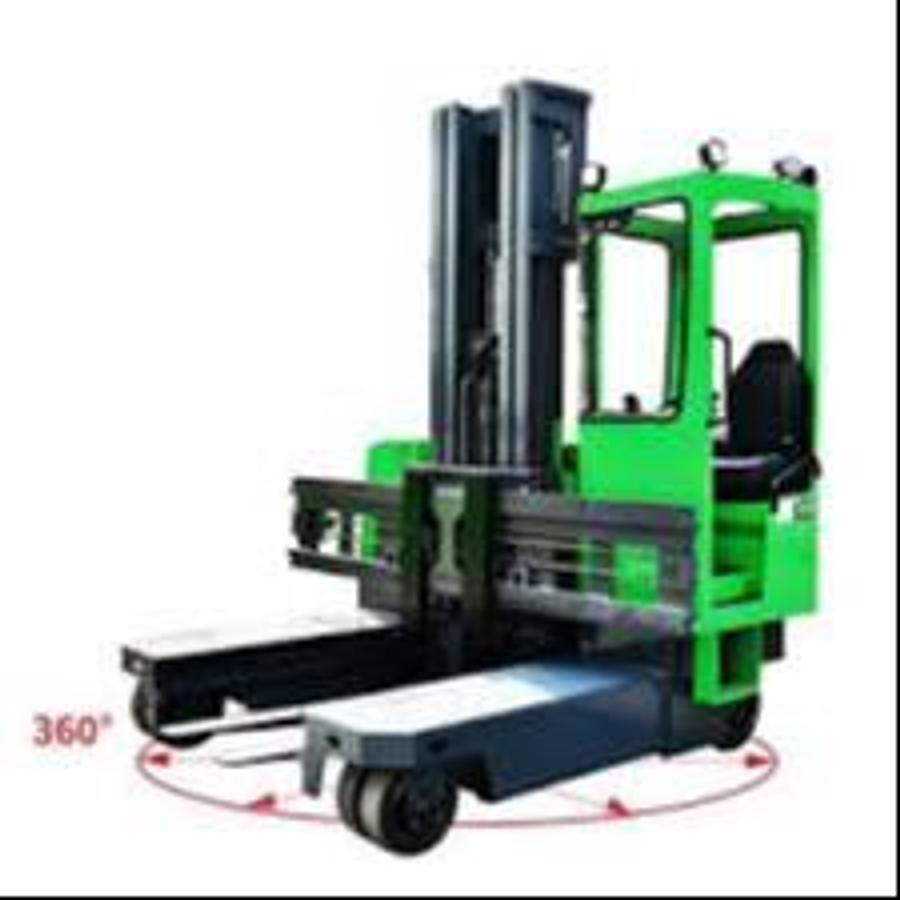
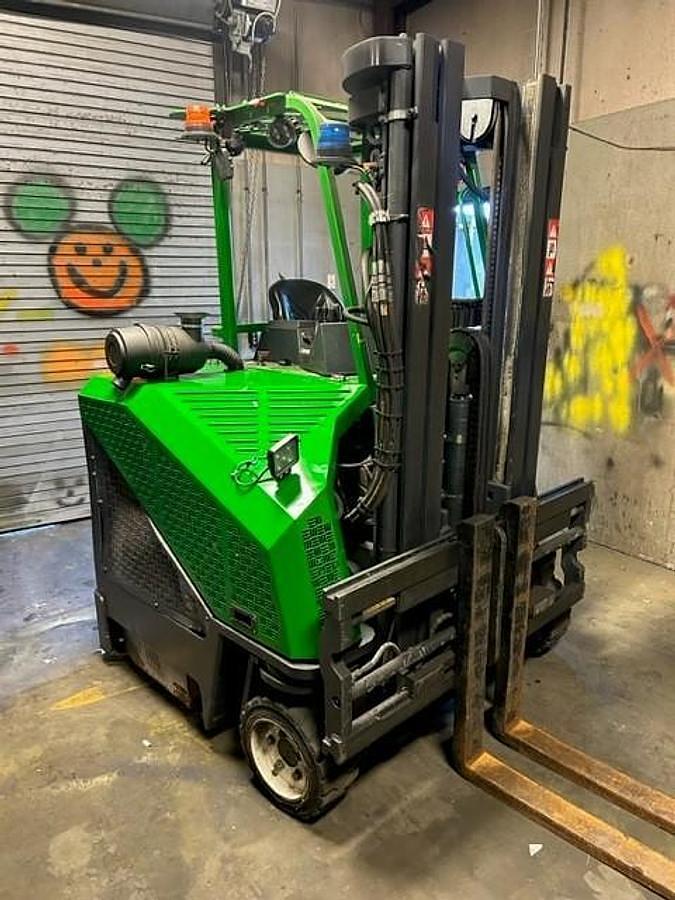
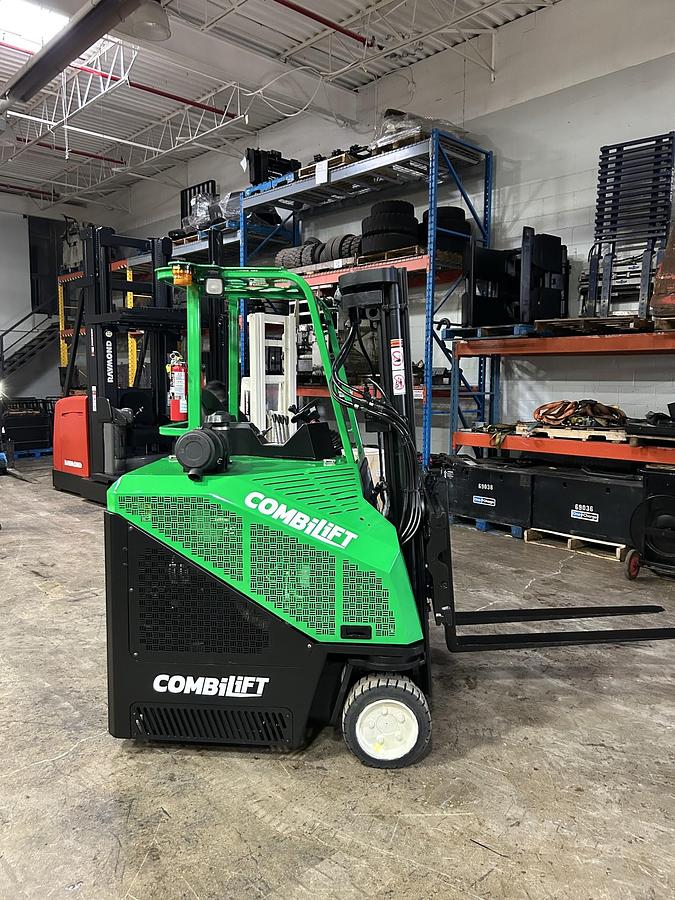
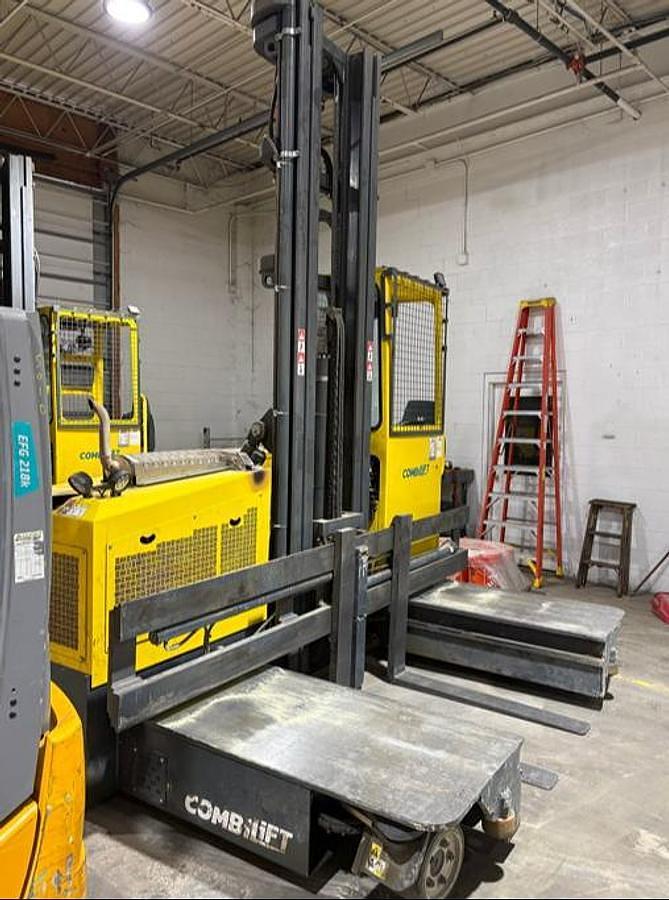
Multi‑directional internal‑combustion forklifts are engineered for long‑load handling in narrow aisles, mixed indoor/outdoor environments, and high‑density storage layouts. With the ability to travel forward, reverse, and laterally, these forklifts move lumber, steel, pipe, panels, and oversized materials with precision and stability.
Designed for lumber yards, steel fabrication, building‑supply operations, and industrial manufacturing, 4‑directional IC forklifts support efficient long‑load workflows where traditional counterbalance units cannot operate safely. CSA‑aligned configurations and documentation packages are available for facilities requiring compliant long‑load equipment.
Related Insights for Forklift Buyers
- Used Forklifts for Warehouse Moves | Save & Stay Compliant
- Forklift Sourcing Beyond Listings | Premier Advantage
For related equipment, explore our other categories:
Multi‑Directional Electric Forklifts
Chassis-Only Forklift Pricing | Transparent & Tailored
Return Policy: Material‑handling equipment is sold as‑is with no returns accepted.
2026 Operational Compliance & Asset Verification All equipment listed by Premier Lift Equipment is verified for alignment with CSA B335:25 (National Standard of Canada) and MLITSD (Ontario Ministry of Labour) safety requirements. Whether you are operating in a 3PL warehouse, food-grade distribution, or heavy industrial site, this unit is processed through our 25-Point Asset Integrity Audit to ensure it is audit-ready for your next provincial safety blitz.
- Regional Compliance: Documentation provided for Ontario (GTA), broader Canada, and export-ready for US/Caribbean logistics.
- Green-Zone Readiness: Our electric inventory is evaluated for high-cycle efficiency and indoor air quality standards.
- Certified Support: Every listing is backed by our Brampton-based technical team, specializing in forklift certification, fleet maintenance, and long-term ROI strategy.
Why Multi-Directional IC Fleets Support the Premier Ownership Framework
Operating multi-directional internal-combustion forklifts across lumber yards, steel service centers, and hybrid indoor/outdoor facilities requires balancing true sideways travel maneuverability, multi-shift fuel efficiency, and rigorous safety compliance. Whether managing heavy long-load transport, cantilever racking, or demanding yard conditions, intelligent fleet planning means evaluating total cost of ownership alongside stringent audit readiness—from LPG/diesel emissions management to verified CSA B335 documentation.
By pairing transparent pricing models with strict alignment to provincial safety standards, our multi-directional IC inventory protects your operating budget while eliminating compliance risks. Organizations seeking to maximize long-load handling ROI and operational safety can explore the integrated Premier Budget™and Premier Certified™ frameworks.
Ready to Secure Your Multi-Directional IC Fleet?
Whether you are evaluating 4-directional steering systems, analyzing LPG and diesel fuel specifications for heavy long-load handling, or planning a facility material-handling upgrade, our team is here to help.
- Explore Inventory & Subcategories: View our specialized narrow-aisle and outdoor solutions including Multi-Directional Electric Forklifts, Pneumatic Tire IC Forklifts, and Swing-Mast / Articulating VNA Forklifts.
- Transparent Pricing: Review our Chassis-Only Pricing Model to control your equipment deployment costs.
- Get Expert Guidance: Contact our Brampton technical center or call our team directly to discuss your facility's specific aisle widths, load lengths, and compliance requirements.
Equipment Compliance & Quality
All multi‑directional internal‑combustion forklifts within this category are supplied in alignment with CSA B335 safety standards and MOL compliance expectations. Documentation packages can include CSA/MOL inspection records, emissions compliance details for LPG/diesel units, and facility‑specific configuration information for long‑load indoor/outdoor environments. Requirements may vary based on mast height, powertrain class, attachment configuration, and job‑site conditions. Please confirm compliance and documentation needs with our team before deployment.