
Internal Combustion Forklifts (IC Forklifts)

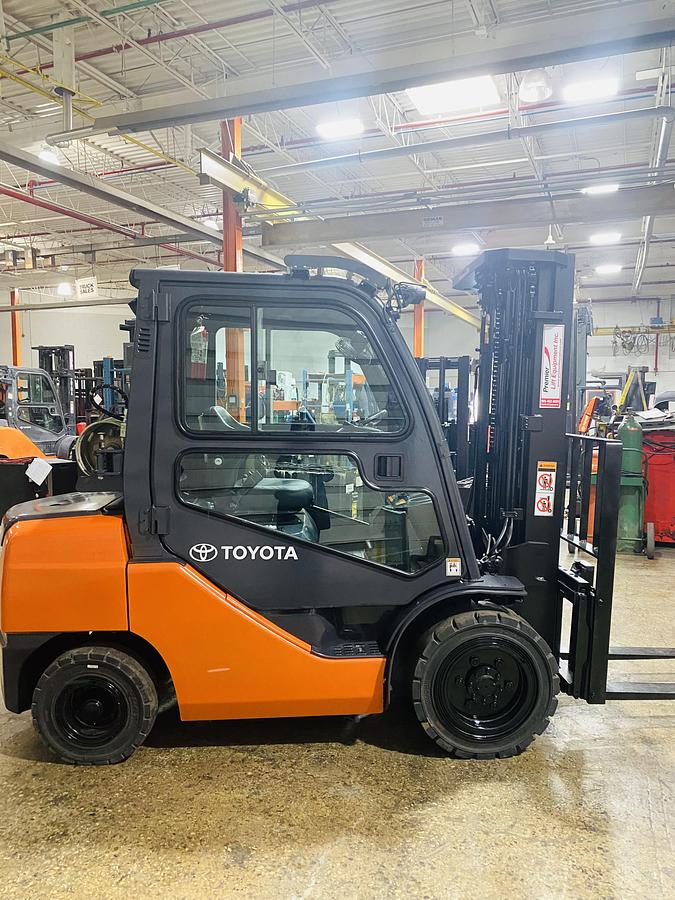
Specifications
| Manufacturer | Premier |
| Condition | Refurbished |
| Part ID | 5951765 |
| Capacity Range | 2,000–40,000 lb + |
| Load Center | 24"/36"/48" |
| Mast Height Range | 80"-240" + |
| Store Code | PLE1 |
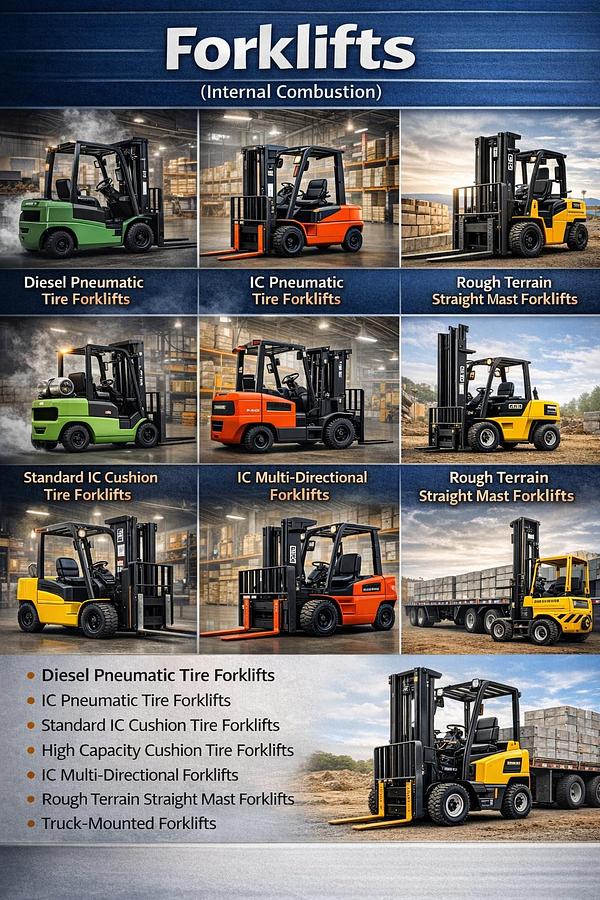
| Included Forklift Types | Diesel Pneumatic Tire Forklifts · IC Pneumatic Tire Forklifts · Standard IC Cushion Tire Forklifts · High Capacity Cushion Tire Forklifts · IC Multi‑Directional Forklifts · Rough Terrain Straight Mast Forklifts · Truck‑Mounted Forklifts |
| Certification | CSA/MOL Certified |
| Supported Manufacturers | Toyota • Hyster • Yale • CAT • Mitsubishi • UniCarriers • Clark • Komatsu • Doosan • Hangcha • Hyundai • Linde • STILL • Jungheinrich |
| Supported Industries | Manufacturing · Lumber · Steel · Construction · Outdoor Yards · Recycling · Distribution · Automotive · Building Materials · Agriculture |
Description
High-Capacity 2026 Propane & Diesel Forklifts | Fully Inspected & Job-Ready | CSA/MOL Certified | USMCA Export Documents Included.
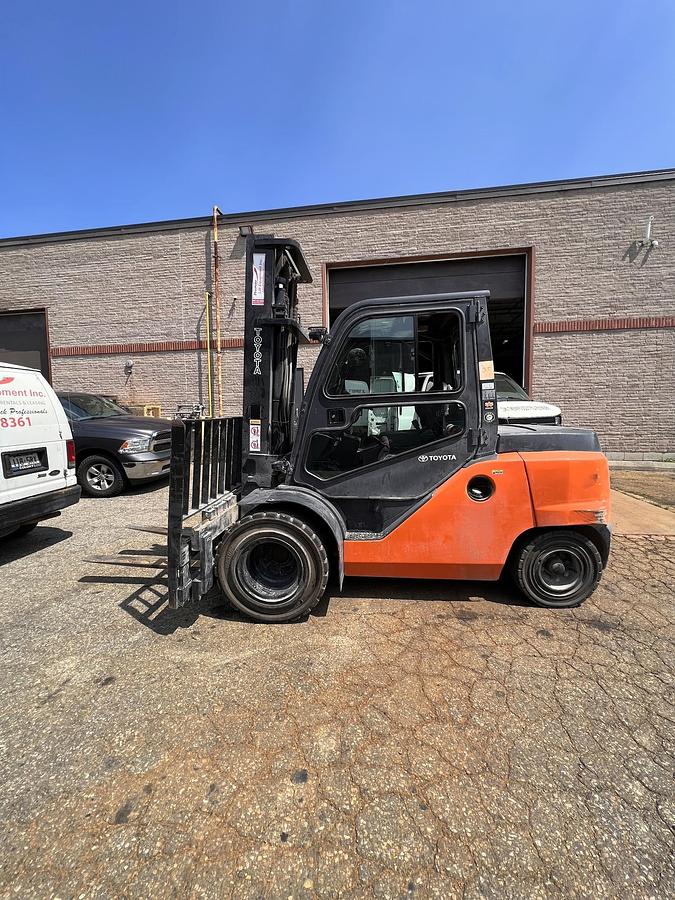
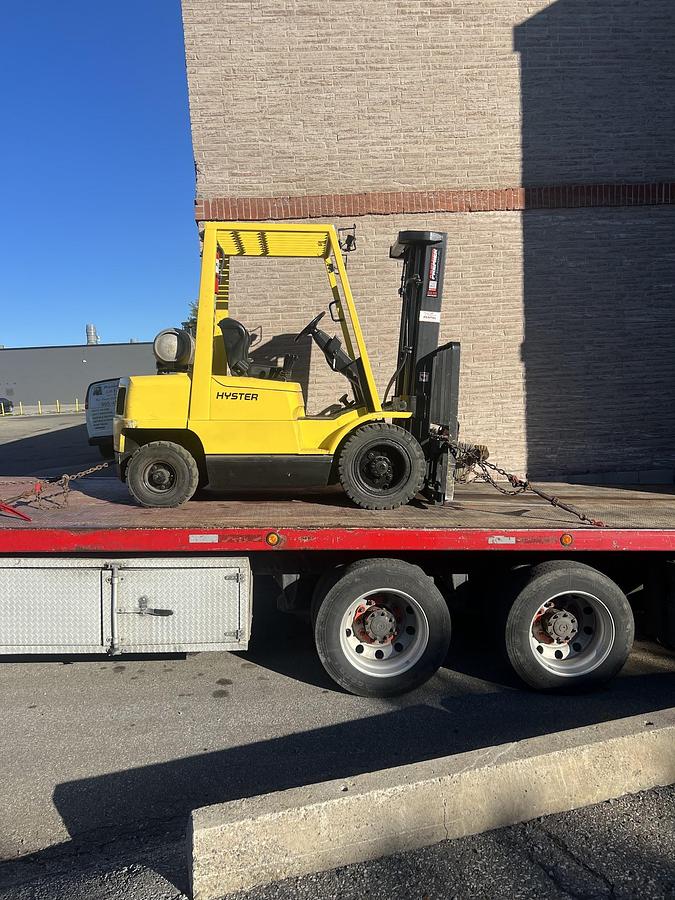
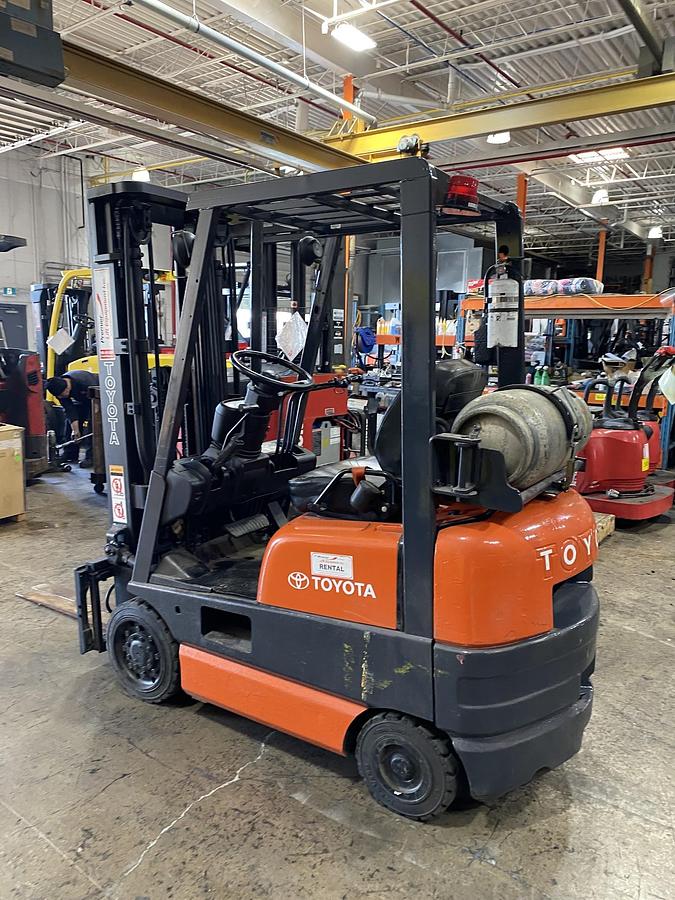
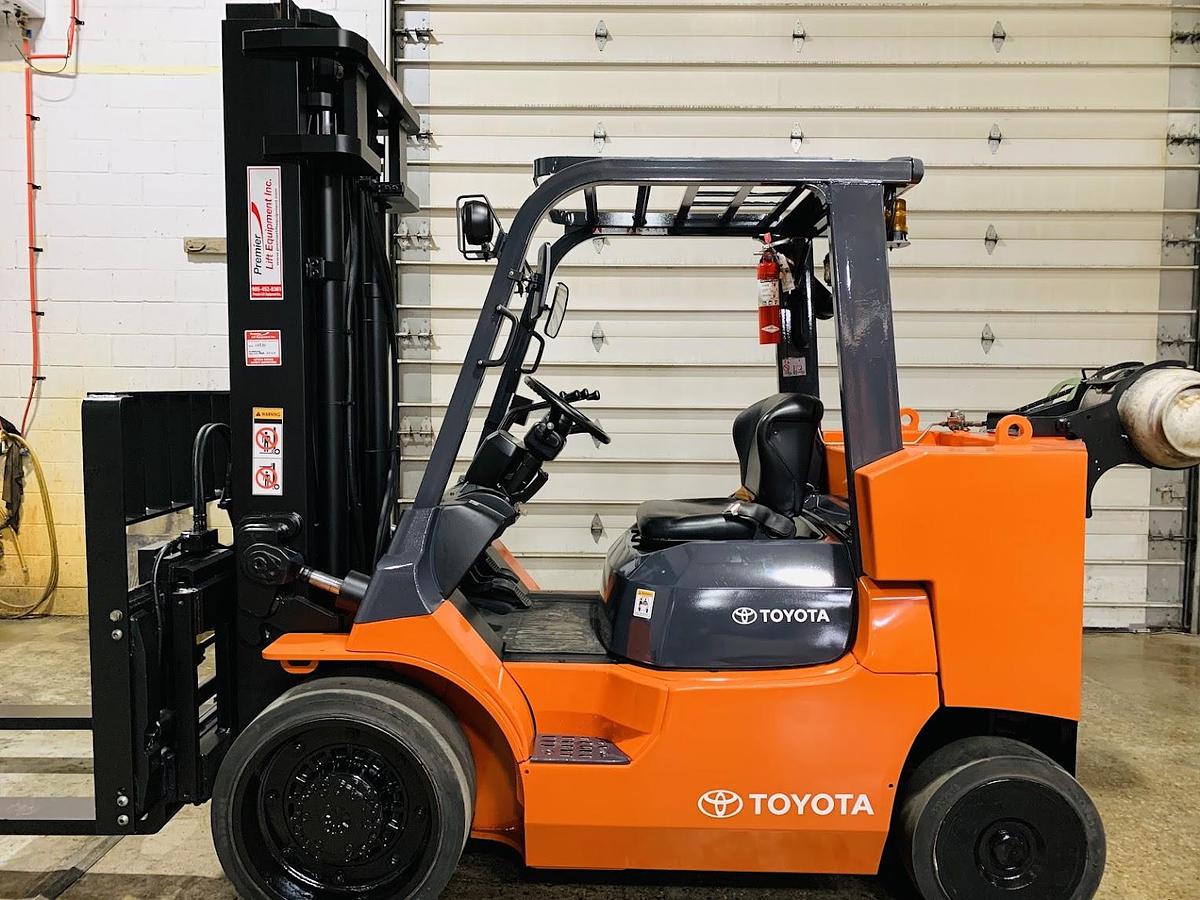
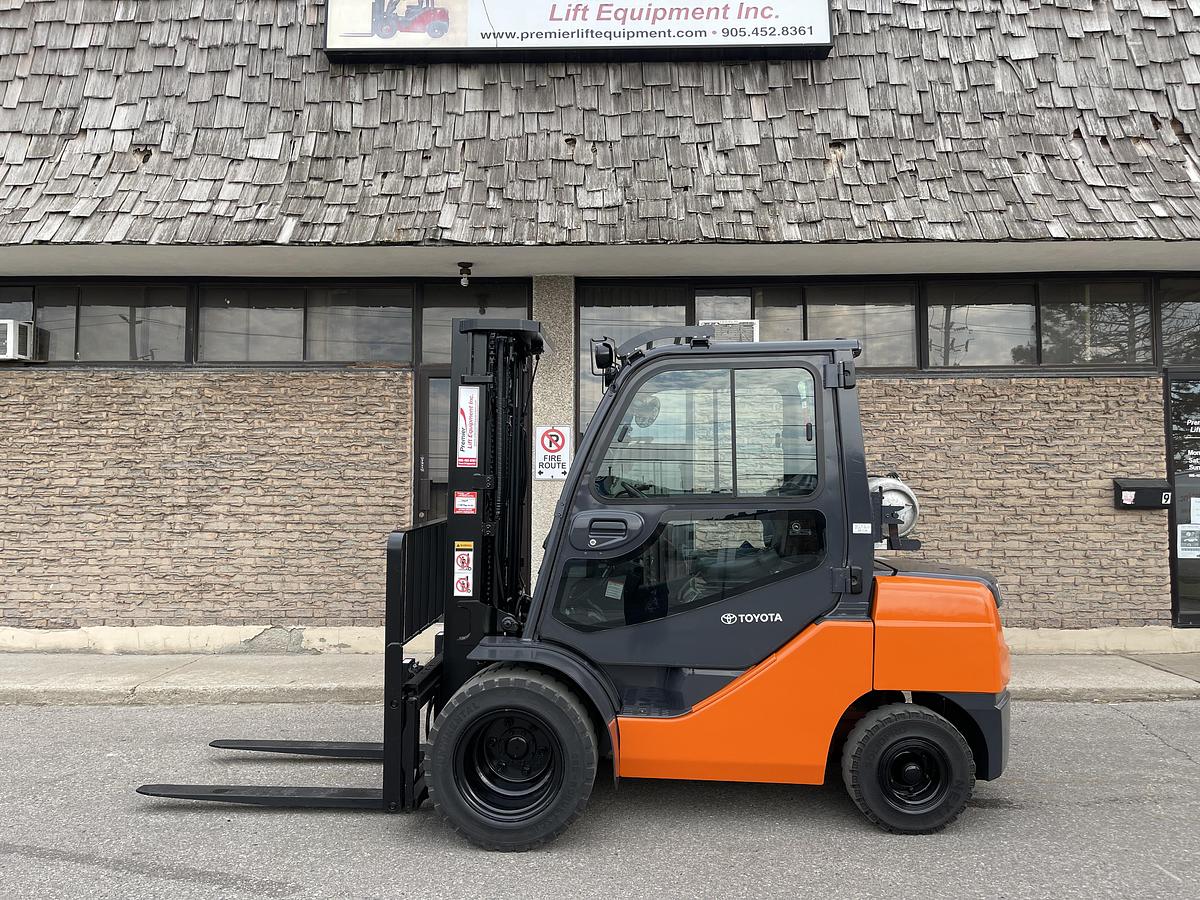
Internal combustion forklifts are engineered for heavy‑duty lifting, outdoor yard work, mixed‑surface environments, and high‑capacity industrial applications where maximum torque and durability are essential. Available in LPG, diesel, and dual‑fuel configurations, these forklifts deliver strong performance in manufacturing, lumber, steel, construction, recycling, and building‑materials operations.
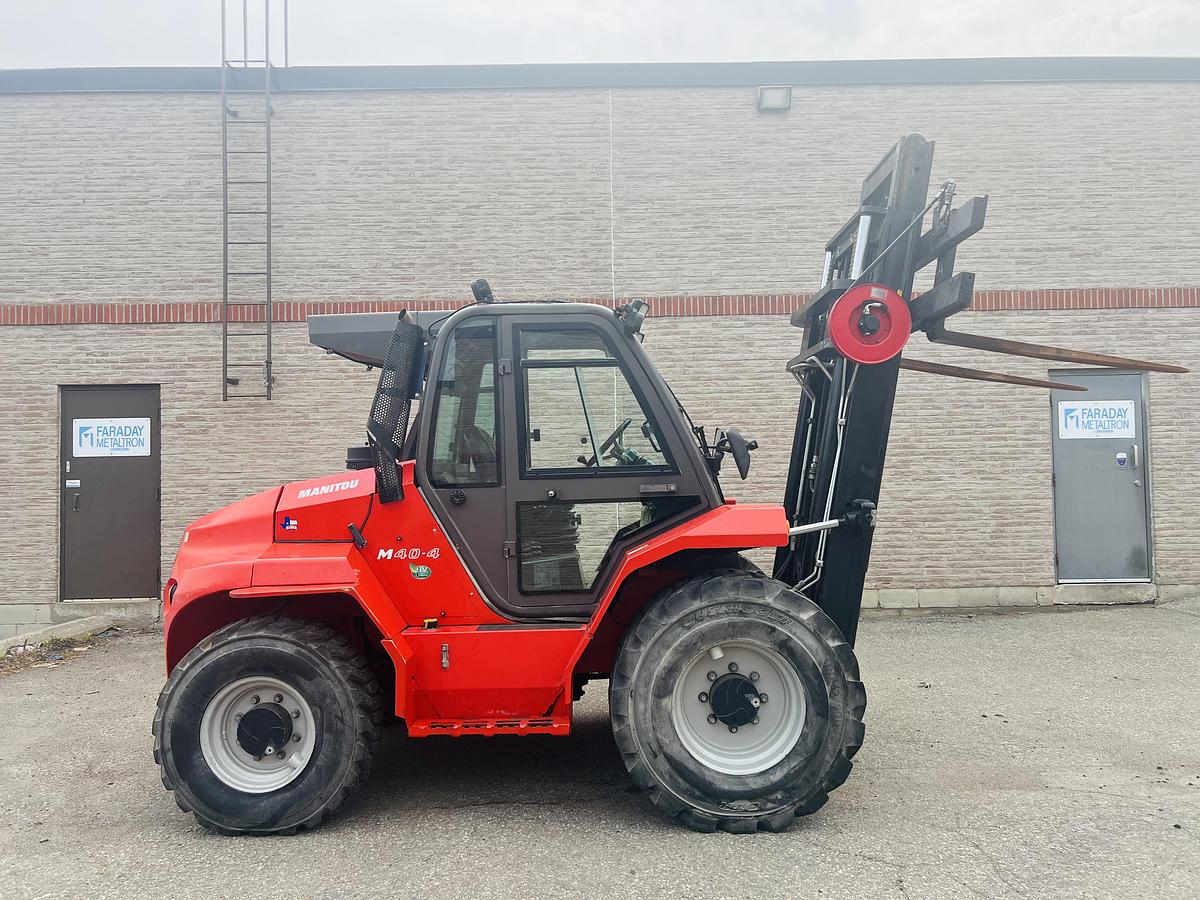
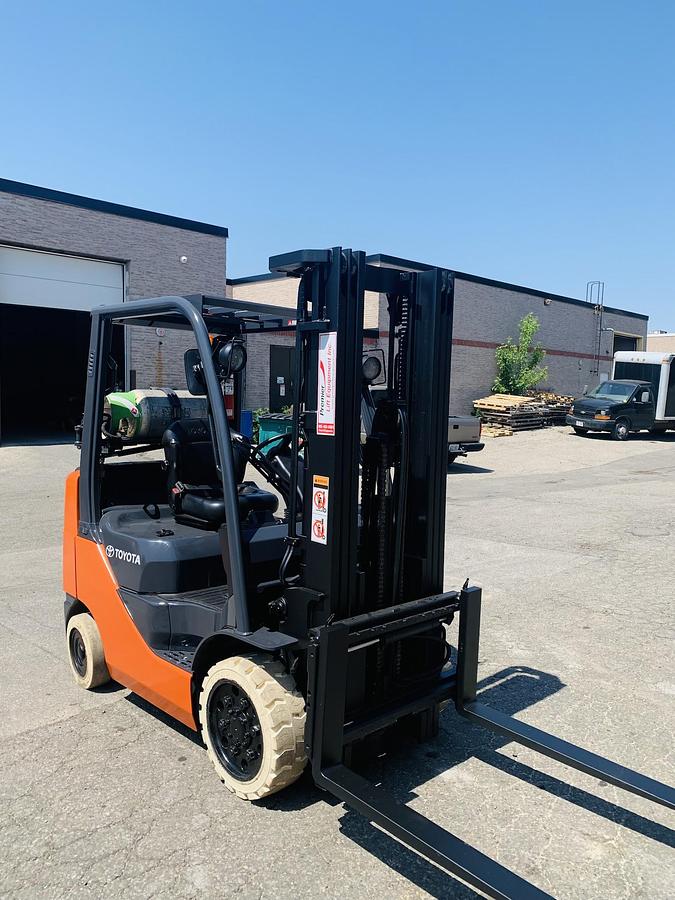
This master category includes all IC forklift classes: cushion tire, pneumatic tire, rough‑terrain, high‑capacity, multi‑directional, and truck‑mounted models. Cushion‑tire units support smooth indoor floors, while pneumatic‑tire and rough‑terrain forklifts handle uneven yards, gravel, and outdoor job sites. CSA‑aligned configurations and documentation packages are available for compliant operation across Canadian industrial environments.
What Is An Internal Combustion Forklift?
Internal combustion (IC) forklifts use LPG, gasoline, diesel, or dual-fuel power systems to provide reliable lifting capacity, outdoor performance, and fast refueling for demanding industrial applications.
IC forklifts are commonly selected for manufacturing facilities, outdoor storage yards, lumber operations, steel distribution, construction supply companies, recycling operations, and mixed indoor/outdoor environments.
Cushion Tire vs Pneumatic Tire Forklifts
This should be the first major decision block.
Cushion Tire Forklifts
Best suited for:
✅ Smooth concrete floors
✅ Manufacturing facilities
✅ Indoor warehouses
✅ Loading docks
✅ Tight maneuvering
Pneumatic Tire Forklifts
Best suited for:
✅ Outdoor yards
✅ Gravel surfaces
✅ Lumber operations
✅ Construction materials
✅ Mixed indoor/outdoor use
The correct tire selection often has a greater impact on performance than the forklift manufacturer.
LPG vs Diesel Forklifts
LPG Forklifts
✅ Faster refueling
✅ Cleaner operation
✅ Indoor/outdoor flexibility
✅ Common warehouse applications
Diesel Forklifts
✅ Maximum torque
✅ Heavy-duty applications
✅ Outdoor operations
✅ Rough working environments
The ideal fuel source depends on utilization levels, operating environment, ventilation requirements, and ownership costs.
Who Typically Chooses IC Forklifts?
Manufacturing
✅ Production support
✅ Material movement
✅ Multi-shift operations
Lumber & Building Supply
✅ Outdoor storage yards
✅ Rough operating conditions
✅ Heavy products
Construction
✅ Uneven terrain
✅ Job site material handling
✅ Outdoor operation
Agriculture
✅ Seasonal equipment needs
✅ Outdoor operations
✅ Flexible applications
Common IC Forklift Buying Mistakes
Choosing Cushion Tires For Outdoor Work
Many performance issues stem from selecting the wrong tire type.
Selecting Capacity Based Only On Load Weight
Attachments, lift height, load center, and environment all influence forklift performance.
Ignoring Operating Environment
Indoor and outdoor applications often require completely different configurations.
Choosing Diesel When LPG Is Sufficient
Some buyers purchase more forklift than their application requires.
Focusing On Purchase Price Alone
Fuel costs, maintenance, utilization, and productivity should all be considered.
Equipment Selection Considerations
Before selecting an IC forklift, evaluate:
✅ Operating environment
✅ Fuel type
✅ Tire configuration
✅ Lift capacity
✅ Lift height
✅ Utilization levels
✅ Surface conditions
✅ Attachment requirements
✅ Compliance requirements
✅ Long-term ownership costs
Why Internal Combustion Fleets Support The Premier Ownership Framework
By pairing transparent equipment pricing with strict alignment to provincial safety standards, our IC forklift inventory protects your operating budget while eliminating compliance risks. Organizations seeking to maximize industrial ROI and operational safety can explore the integrated Premier Budget™ and Premier Certified™ frameworks.
This category includes all IC‑powered forklift classes and connects directly to our related equipment categories:
- Material Handling Equipment
- Material Handling Equipment | Lift Tables & High‑Lifters
- Forklift Rentals
- RENTALS | Premier Lift Equipment
- Service & Repair
- Forklift Service & CSA Inspections | GTA Mobile Repairs
- Industry Solutions
- Industry Forklift Solutions|CSA‑Certified Equipment Service
- Material Handling Safety Equipment
- Material Handling Safety Equipment | CSA‑Approved Tools
Ready to Secure Your Internal Combustion Fleet?
Whether you are evaluating lifting capacities, comparing LPG and diesel powertrains, or planning a multi-facility heavy equipment upgrade, our team is here to help.
- Explore Inventory & Subcategories: View our specialized IC solutions including Diesel Pneumatic Tire Forklifts, IC Pneumatic Tire Forklifts, Standard IC Cushion Tire Forklifts, and Rough Terrain Straight Mast Forklifts.
- Get Expert Guidance: Contact our Brampton technical center or call our team directly to discuss your facility's specific capacity, mast height, tire class, and compliance requirements.
Equipment Compliance & Quality
All internal‑combustion forklifts within this master category are supplied in alignment with CSA B335 safety standards and MOL compliance expectations. Documentation packages can include CSA/MOL inspection records, emissions compliance details for LPG, diesel, and dual‑fuel systems, and facility‑specific configuration information for indoor, outdoor, and mixed‑surface IC environments. Requirements may vary based on mast height, powertrain class, tire type, attachment configuration, and job‑site conditions. Please confirm compliance and documentation needs with our team before deployment.